Get Dead Tree Removal in Hibbing, MN
Dead Tree Removal services for Hibbing, MN, and nearby areas address hazardous or dead trees, storm damage cleanup, and tree removal for safety and property enhancement.
Dead tree removal services are often considered by property owners in Hibbing, MN to enhance safety and reduce liability risks. Dead or decaying trees can pose a threat to people and nearby structures, especially during storms or high winds. Removing these trees helps prevent potential accidents or property damage, creating a safer environment for families, residents, and visitors alike. Additionally, eliminating hazardous trees can contribute to overall peace of mind, knowing that the property is less likely to be affected by falling branches or complete tree failure.
Beyond safety, dead tree removal can improve a property’s appearance and functionality. Removing unsightly or decaying trees can boost curb appeal and make outdoor spaces more inviting. It also allows for better landscape management, enabling new plantings or lawn development without obstruction. Many property owners seek these services to reduce ongoing maintenance needs, as dead trees often shed branches and debris that require regular cleanup. Overall, professional dead tree removal supports a durable, attractive, and well-maintained property environment in Hibbing, MN.
- Dead tree removal services are needed when trees have become hazardous due to disease, storm damage, or decay.
- Homeowners in areas like Hibbing, MN, may require tree removal to prevent property damage or personal injury.
- Commercial property managers might seek dead tree removal to maintain safety standards on their grounds.
- Landowners planning land clearing or development projects often need dead tree removal to prepare the site.
- Property owners seeking to improve landscape health may opt for dead tree removal to promote new growth.
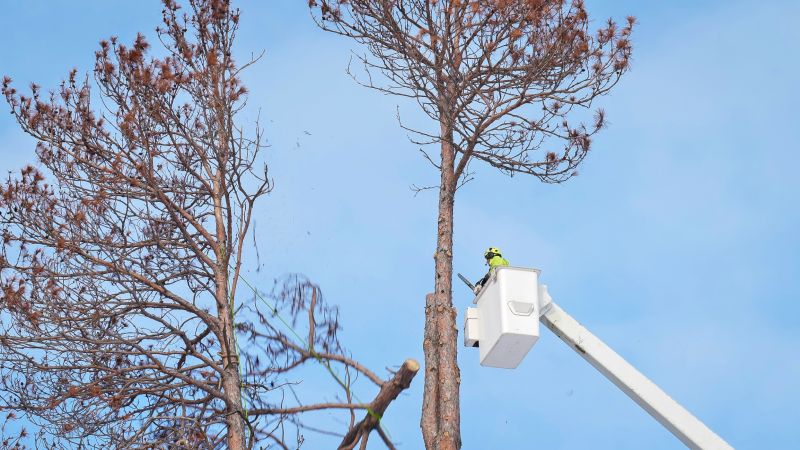
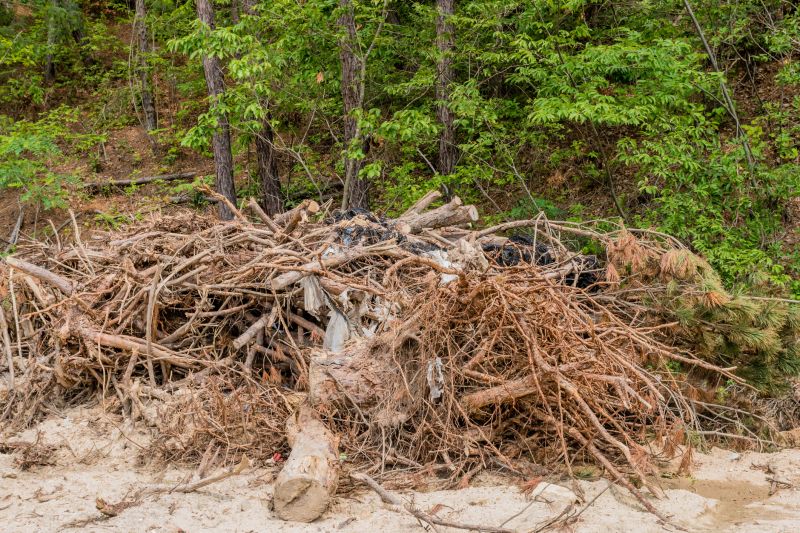
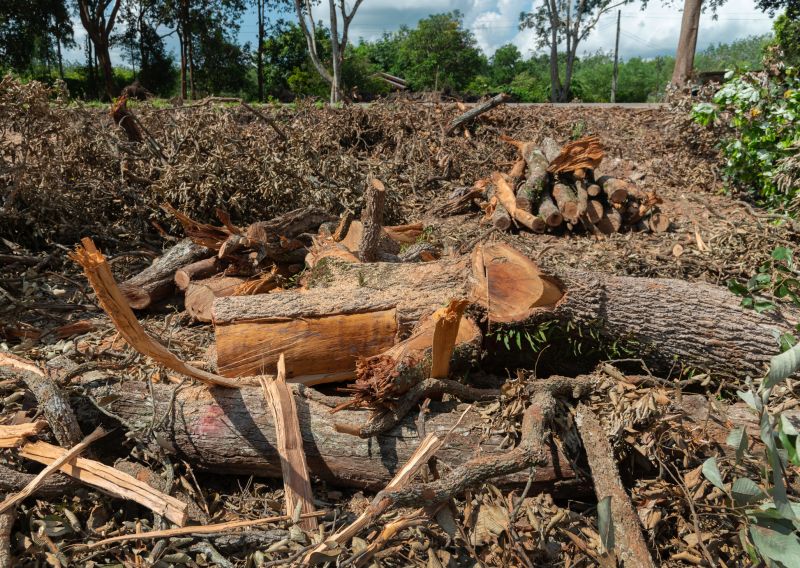
Dead tree removal services involve the careful and efficient removal of dead, dying, or hazardous trees from residential, commercial, or public properties. These services typically include assessing the health and stability of the tree, planning the safest method of removal, and executing the process to prevent damage to surrounding structures or landscaping. Professionals use specialized equipment and techniques to cut and dismantle the tree in sections, ensuring that the removal is thorough and minimizes risks to people and property.
These services help address a range of problems associated with dead or decaying trees. Dead trees can pose safety hazards due to the increased risk of falling branches or entire trees collapsing, which can cause property damage or injury. Additionally, dead trees can become hosts for pests or diseases that may spread to healthy vegetation nearby. Removing these trees can also improve the aesthetic appeal of a property, making it safer and more visually appealing by eliminating unsightly or hazardous trees.
Various types of properties utilize dead tree removal services, including residential homes, commercial complexes, parks, and public spaces. Residential properties often require tree removal to enhance safety and maintain landscape aesthetics. Commercial properties, especially those with large trees near buildings or parking areas, may seek removal to prevent potential damage or liability. Public parks and municipal spaces also rely on these services to keep public areas safe, accessible, and visually maintained by removing trees that are no longer viable.
Hiring local pros for dead tree removal ensures that the work is performed by experienced individuals familiar with the specific challenges of the area. These specialists can evaluate the condition of trees, determine the safest removal methods, and handle the process efficiently. Property owners can contact local service providers to discuss their needs and schedule the necessary work, helping to maintain safety standards and property value while reducing the risks associated with hazardous trees.
The overview below groups typical Dead Tree Removal projects into broad ranges so you can see how smaller, mid-sized, and larger jobs often compare in Hibbing, MN.
In many markets, a large share of routine jobs stays in the lower and middle ranges, while only a smaller percentage of projects moves into the highest bands when the work is more complex or site conditions are harder than average.
Tree Removal Cost - The typical expense for removing a dead tree ranges from $200 to $2,000, depending on size and location. Smaller trees may cost around $200 to $500, while larger or hard-to-reach trees can be more expensive. Local pros can provide estimates based on specific tree conditions.
Stump Removal Expenses - Stump removal usually adds an additional $60 to $350 per stump. Factors influencing cost include stump size, depth, and accessibility. Some projects may require specialized equipment, affecting overall pricing.
Additional Services - Services such as pruning or debris cleanup after dead tree removal can cost between $50 and $300. These services depend on the extent of work needed and the amount of debris involved.
Factors Influencing Costs - Costs vary based on tree height, diameter, and proximity to structures or power lines. Local service providers can assess specific conditions to offer accurate price estimates for dead tree removal projects.
Actual totals will depend on details like access to the work area, the scope of the project, and the materials selected, so use these as general starting points rather than exact figures.
Dead Tree Removal services involve the safe and efficient removal of hazardous or unwanted dead trees from residential or commercial properties. Local pros can assess the site and provide appropriate removal solutions to improve safety and aesthetics.
Tree Cleanup and Disposal services include the proper disposal of dead tree debris, ensuring the property remains clean and free of potential hazards after removal. Professionals handle the cleanup process to maintain property safety and appearance.
Stump Grinding and Removal services focus on eliminating remaining tree stumps after dead tree removal, preventing pest infestations and allowing for future landscaping opportunities. Local providers offer stump grinding options to suit various property needs.
Emergency Dead Tree Services are available for urgent situations where dead trees pose immediate risks due to storm damage or structural instability. Local contractors can respond to mitigate hazards quickly and effectively.
Land Clearing and Property Maintenance services may include removing dead trees as part of larger land clearing projects or ongoing property maintenance efforts. These services help maintain a safe and attractive outdoor space.
Tree Health Assessments services involve evaluating the condition of trees to determine if dead or dying trees need removal, helping property owners make informed decisions about tree management. Local experts can provide professional assessments to guide removal needs.
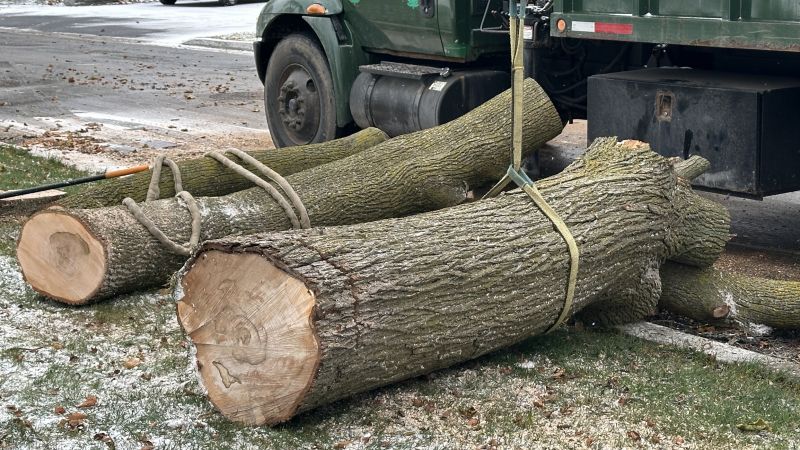
When selecting a professional for dead tree removal, it’s important to consider their experience with similar projects. Homeowners should look for local service providers who have a proven track record in safely and effectively removing dead or hazardous trees. Experienced pros are more likely to understand the nuances of tree health and the best techniques for removal, reducing potential risks and property damage. Gathering information about their past work or seeking references can help ensure the provider has a history of reliable service.
Clear communication and written expectations are vital when working with a tree removal contractor. Homeowners should seek out local pros who provide detailed, written estimates and clearly outline the scope of work, including cleanup and disposal procedures. This transparency helps prevent misunderstandings and ensures everyone is aligned on project goals. Good communication also involves responsiveness to questions and concerns, which can indicate professionalism and a commitment to customer satisfaction.
Reputable references are an essential factor in evaluating local tree removal providers. Homeowners are encouraged to ask for contacts from previous clients or reviews that highlight the contractor’s reliability, safety practices, and quality of work. While the site introduces local options, it is crucial to independently verify the reputation of potential service providers. Effective communication and positive references are often signs of a contractor who prioritizes customer needs and has established trust within the community.
Property owners in Hibbing, MN use Dead Tree Removal services for practical projects around their homes and businesses. The sections below highlight everyday jobs and straightforward project options.
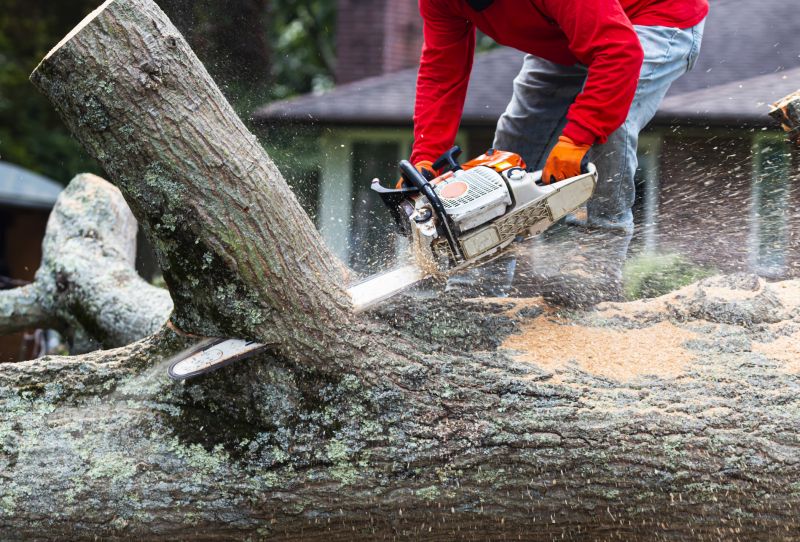
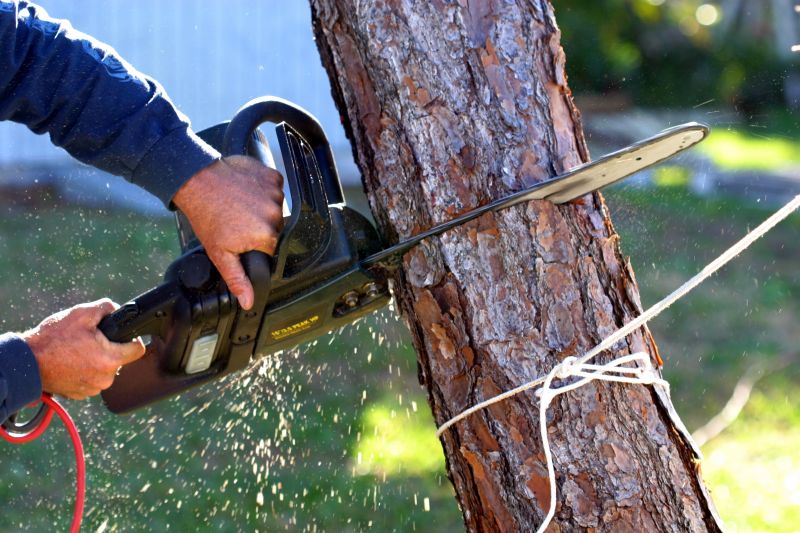
Dead tree removal services are often sought by property owners in Hibbing, MN, dealing with trees that have become hazardous or unsightly. Common reasons include trees that have suffered storm damage, show signs of disease, or pose a risk of falling onto structures, vehicles, or pathways. Removing these trees helps maintain safety and prevents potential damage to property, especially during harsh winter storms or strong winds typical of the region.
Additionally, property owners may consider dead tree removal when preparing land for new landscaping or construction projects. Clearing out dead or dying trees can improve the overall appearance of a yard and create space for planting new greenery or building additions. Local service providers can assist with safely and efficiently removing these trees, supporting property maintenance and improvement efforts in Hibbing.
What is dead tree removal? Dead tree removal involves the process of safely cutting down and removing trees that are no longer living or pose a risk to property or safety.
Why should I consider removing a dead tree? Removing a dead tree can prevent potential hazards such as falling branches or the tree toppling, which could cause damage or injury.
How do I find local dead tree removal services? You can contact local landscaping or tree service providers who offer dead tree removal services in your area.
Is dead tree removal a complicated process? The complexity of dead tree removal varies depending on the size and location of the tree, and it is typically handled by experienced professionals.
What should I do before scheduling dead tree removal? It's advisable to assess the tree’s condition and contact a local service provider to discuss the situation and arrange for removal services.
Dead Tree Removal Services - Local professionals offer expert removal of dead or hazardous trees to help maintain property safety and appearance.
Tree Inspection and Assessment - Service providers can evaluate the health of trees and recommend appropriate removal or treatment options.
Stump Grinding and Removal - Pros provide stump grinding services to eliminate remaining tree bases and prevent potential hazards.
Emergency Dead Tree Services - Emergency response options are available for urgent removal of fallen or dangerously leaning trees.
Considering Dead Tree Removal for a property in Hibbing, MN? The sections above highlight common project types, practical options, and details that often shape the scope of work.
When you are ready, use the quote form to share a few details about your project. Local pros can review the basics and respond with options that match what you have in mind.