Compare Local Contractors for Dead Tree Removal Services
Compare local contractors for dead tree removal to clarify scope, verify experience, and set clear expectations in writing for a safe, effective job.
Dead tree removal services typically involve the safe and efficient removal of trees that are dead, dying, or pose a risk to nearby structures or people. This process often includes assessing the tree’s condition, planning the safest way to bring it down, and removing the debris afterward. Contractors may also provide advice on whether a dead tree can be preserved or needs to be fully removed to prevent potential hazards. Properly handling dead trees is essential to maintaining the safety and appearance of residential or commercial properties, especially in areas where trees are close to buildings, power lines, or public spaces.
Defining the scope of dead tree removal work is a crucial step in ensuring the project meets expectations. Property owners should clarify what is included in the service-such as whether stump grinding, debris hauling, or land clearing is part of the scope. It’s also important to specify the size and location of the tree, access considerations, and any special requirements for working around existing structures. Clearly outlining these details in writing helps prevent misunderstandings and provides a reference point for both property owners and contractors throughout the project.
When comparing local contractors for dead tree removal, property owners should consider their experience with similar projects and the types of trees involved. Verifying that contractors understand the scope and have a solid plan for safely executing the work can help ensure a smooth process. It’s beneficial to review the contractors’ credentials, ask for references or examples of past work, and confirm that their approach aligns with the property’s needs. Using a structured comparison process allows property owners to select service providers who are capable of handling the job efficiently and responsibly, helping to achieve safe and effective dead tree removal.
Compare local contractors by outlining your project priorities, verifying experience, and documenting clear scope and expectations.
- Compare Contractor Experience - Review the backgrounds and project history of local contractors to ensure they have relevant dead tree removal experience.
- Define Project Scope Clearly - Communicate your specific needs and expectations to help contractors provide accurate assessments.
- Verify Credentials and References - Check references and credentials to confirm the reliability and expertise of potential service providers.
- Get Written Agreements - Ensure all project details, scope, and expectations are documented in a formal agreement before work begins.
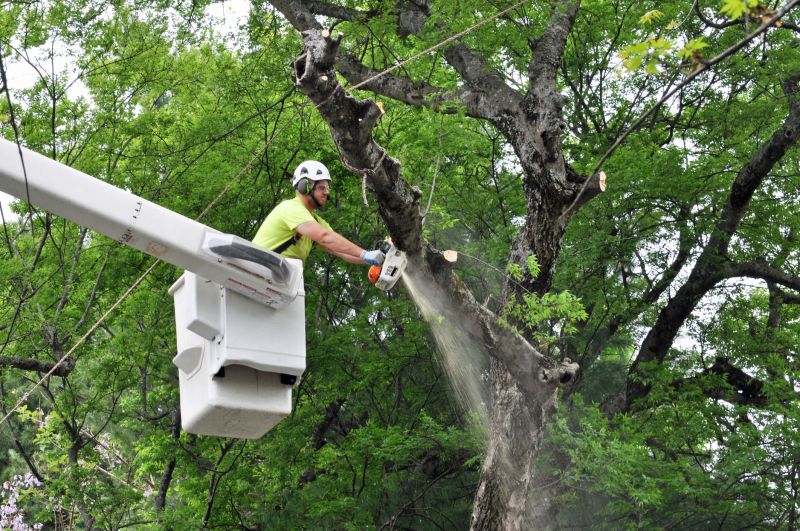
Clearly describe your dead tree removal project to help compare local contractors, verify experience, and set clear expectations.
- Assess the experience and reputation of local contractors specializing in dead tree removal. - Look for service providers with a proven track record in safely removing dead trees of similar size and complexity.
- Verify that scope of work, including removal methods and cleanup, is clearly outlined in writing. - Ensure all project details, including disposal or stump removal, are documented to prevent misunderstandings.
- Compare multiple local contractors to evaluate their expertise and approach to dead tree removal. - Gathering information from different providers helps identify those with appropriate skills and methods.
- Check references or reviews to gauge the quality and reliability of the service providers. - Feedback from previous customers can provide insights into their experience and workmanship.
- Confirm that contractors have appropriate insurance coverage for the work involved. - Protect against liability by ensuring service providers carry adequate insurance for property damage and injury risks.
- Discuss and agree upon the scope, expectations, and responsibilities in a detailed written agreement. - Clear documentation helps ensure all parties understand the work to be performed and reduces potential disputes.
Compare local contractors, clarify scope, verify experience, and set clear expectations in writing.
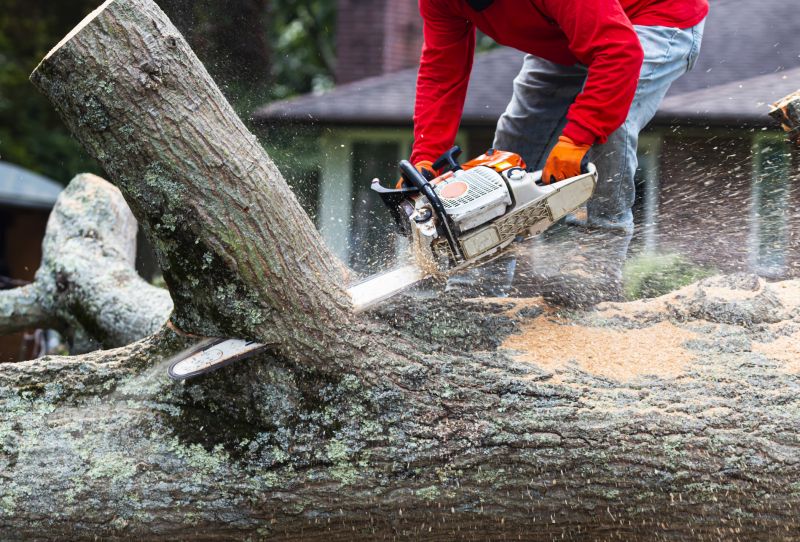
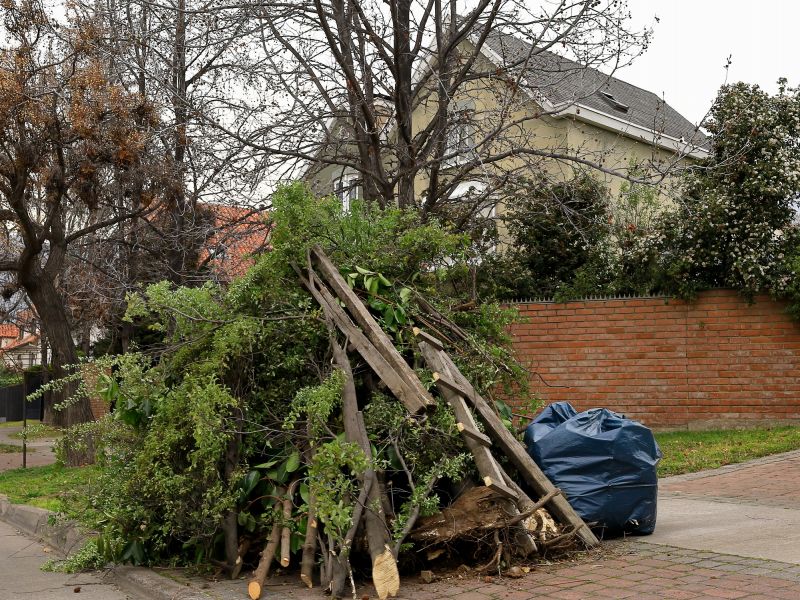
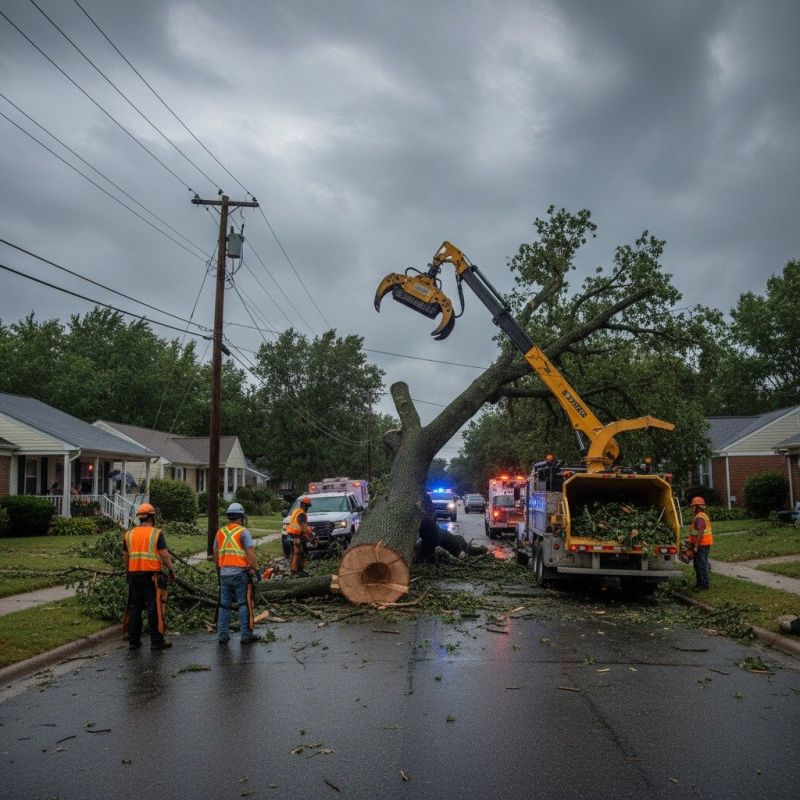
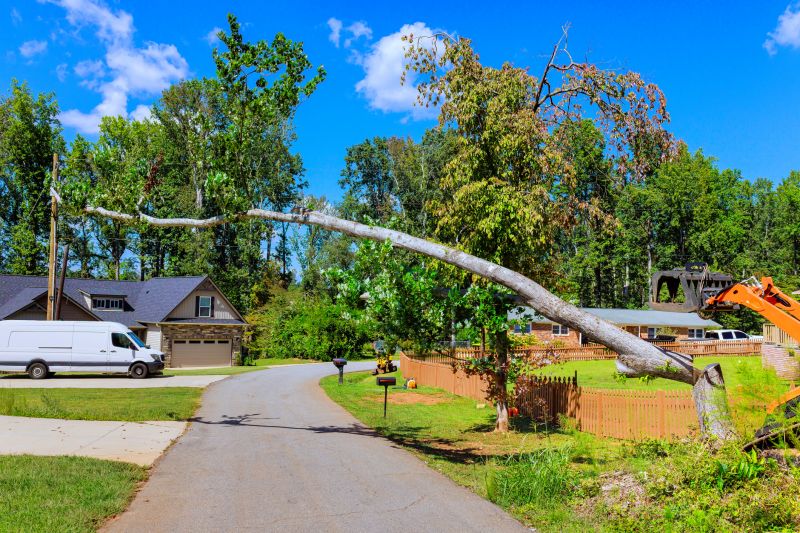
To compare contractors effectively, focus on defining the scope, verifying experience, and documenting expectations clearly.
- Define Scope of Work - Clearly outline the extent of dead tree removal, including which trees and surrounding areas are involved.
- Verify Experience and Expertise - Ensure the service providers have relevant experience handling dead tree removal safely and effectively.
- Establish Safety and Equipment Requirements - Specify safety measures and equipment standards expected during the removal process.
- Determine Site Preparation and Cleanup Expectations - Clarify responsibilities for site preparation before removal and cleanup afterward.
- Document Project Details in Writing - Obtain a written agreement that details the scope, responsibilities, and expectations for the dead tree removal.
When comparing contractors for dead tree removal, it is important to evaluate their experience with similar projects. Service providers who have handled a variety of tree removal tasks, especially those involving trees of comparable size and location, are more likely to understand the complexities involved. Asking about their previous work can help determine if they have the necessary expertise to safely and effectively remove dead or hazardous trees in your specific setting. A contractor’s familiarity with different tree species and site conditions can contribute to a smoother process and help avoid unforeseen issues.
A clear, written scope of work is essential when assessing potential service providers. This document should outline what is included in the dead tree removal, such as the extent of removal, cleanup procedures, and any additional services like stump grinding or debris hauling. A detailed scope helps ensure that both parties have aligned expectations and reduces the chances of misunderstandings. When reviewing proposals or estimates, look for comprehensive descriptions that specify the work to be performed, rather than vague or general statements.
Verifying the basic qualifications of local contractors is a key step in the comparison process. This includes confirming that they possess the necessary equipment, insurance coverage, and experience to handle dead tree removal safely. It is also advisable to check references or reviews from previous clients who have had similar work completed. While licensing and certification are not the focus here, gathering information about a contractor’s reputation and track record can provide valuable insights into their reliability and professionalism.
Evaluating options without focusing on pricing involves examining the quality of the proposals and the professionalism of the service providers. Consider how well each contractor communicates, the clarity of their scope of work, and their responsiveness to questions. It’s also helpful to compare their experience with similar projects and assess their ability to provide detailed, written documentation of the work. By focusing on these factors, homeowners can make informed decisions based on expertise and clarity, ensuring the chosen contractor is well-equipped to handle the dead tree removal safely and effectively.
Ask contractors to provide written scope details to ensure clear understanding and consistent expectations.
- Experience and Credentials - How do local contractors demonstrate their experience with dead tree removal projects?
- Scope of Work - What specific services are included in the scope of each contractor’s dead tree removal proposal?
- Work Process and Methods - How do service providers plan to approach the dead tree removal to ensure safety and efficiency?
- Communication and Documentation - Will the scope and expectations be clearly outlined and documented before work begins?
- Insurance and Liability - What insurance coverage do local contractors have to protect against potential damages or accidents during removal?
What should I consider when choosing a contractor for dead tree removal? It's important to compare local contractors based on their experience, scope of work, and reputation. Ensuring clear communication about what the job entails helps set proper expectations.
How can I verify a contractor’s experience with dead tree removal? You can review their past projects, ask for references, or check their work history to gauge their familiarity with dead tree removal tasks.
Why is it important to define the scope of work in writing? Having a detailed written scope helps prevent misunderstandings, ensures all parties agree on what will be done, and provides a reference throughout the project.
What questions should I ask a contractor before hiring for dead tree removal? Inquire about their experience, methods used, safety procedures, and whether they provide a detailed written plan or estimate for the work.
How can I compare different contractors effectively? Look at their experience, scope of services, reviews or references, and ensure their proposed work aligns with your expectations, all documented in writing.
What are some best practices for working with local contractors on dead tree removal? Clearly communicate your needs, verify their experience, review the scope of work in writing, and ask questions to clarify the process before proceeding.
Understanding the key aspects of dead tree removal, including defining the scope of work, verifying experience, and setting clear expectations in writing, can help ensure a smooth process. Comparing different service providers allows for better-informed decisions and helps identify the contractors best suited to handle the job effectively. Utilizing the quote form makes it easy to gather information and explore your options among trusted local service providers.
Taking the time to review and compare local contractors for dead tree removal provides a valuable opportunity to find experienced professionals who can meet your needs. Filling out the quote form is a straightforward step toward connecting with service providers capable of handling the job. This approach supports making informed choices based on the details and scope you define.